R&D Strategy and Core Technologies
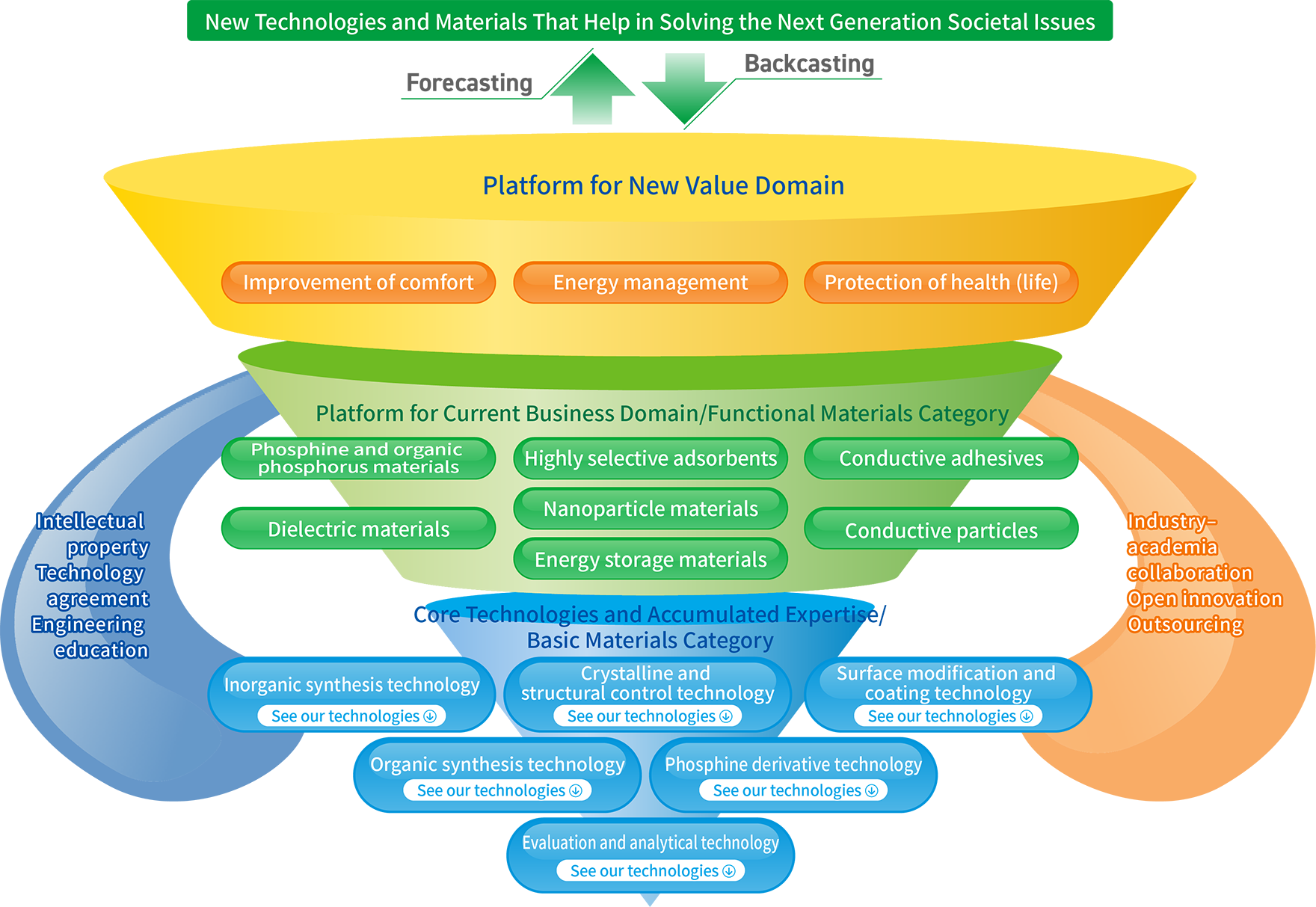
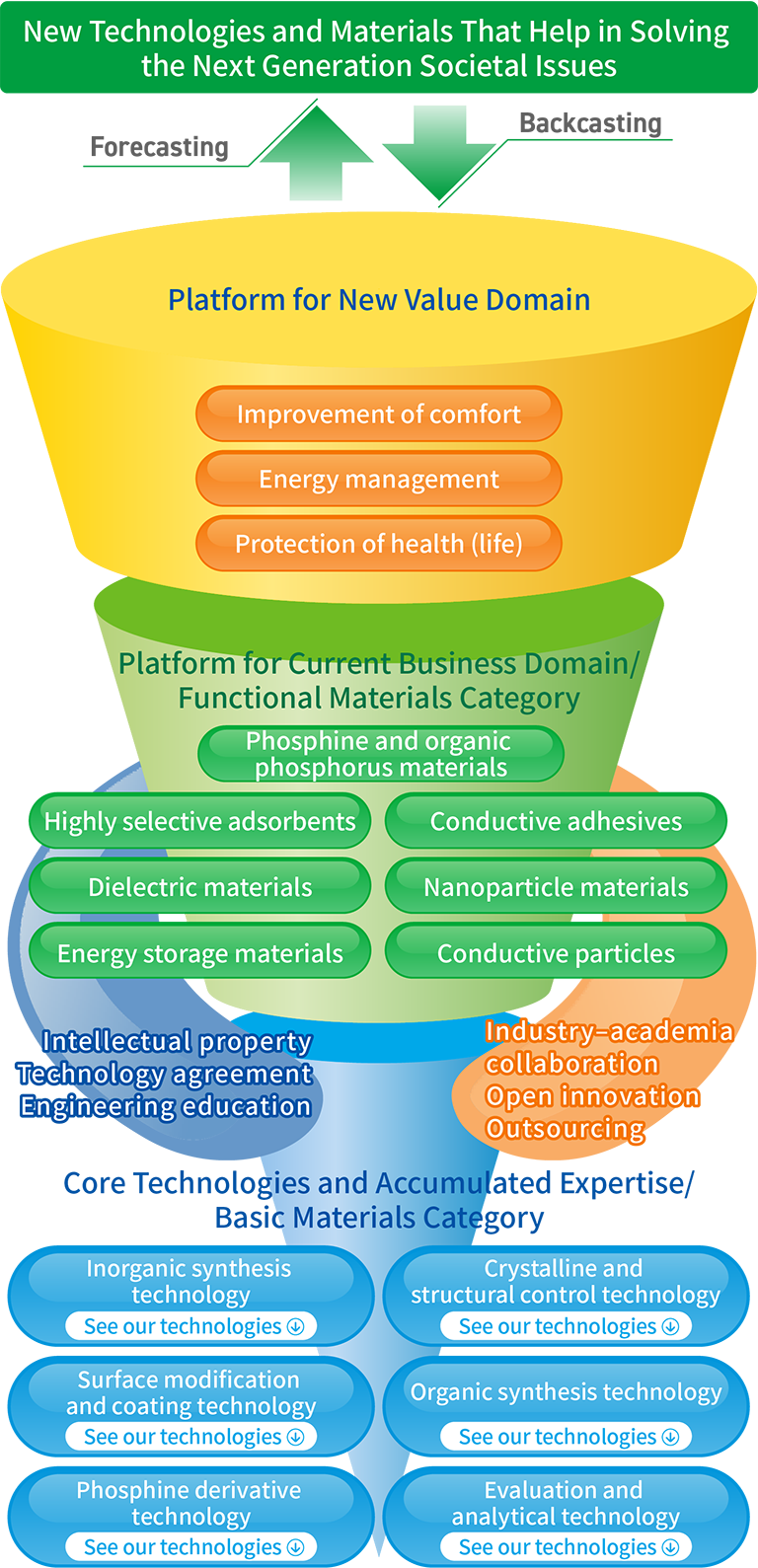
We aim to create value from the perspectives of Improvement of comfort, Energy management, and Protecting health (life). To that end, we will refine our core technologies while expanding and integrating nanotechnology, polymer technology, biochemistry technology, and other disciplines to pioneer new technological fields.
Inorganic Synthesis Technology
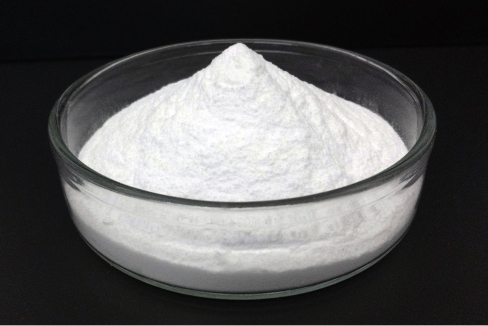
Inorganic synthesis technology encompasses techniques for synthesizing and processing inorganic materials, and plays a vital role across a wide range of industries.
Associated Technologies
- Calcination technology capable of achieving uniform crystal phases
- High-purification technology utilizing chelating agents and ion exchange
- High-purification technology utilizing crystallization
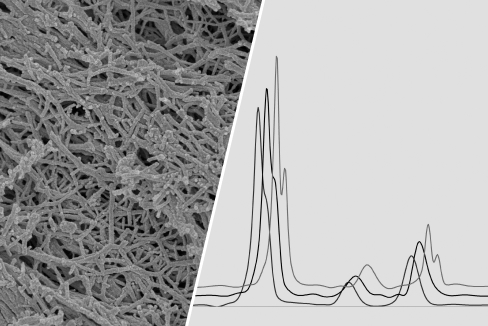
Crystalline and Structural Control Technology
Crystalline and structural control technology is a technique for controlling the crystal growth process to optimize the physical properties of materials. This technology enables the adjustment of crystal size, shape, and orientation.
Associated Technologies
- High-purity (highly crystalline) liquid-phase and solid-phase synthesis technology
- Precision control technology for particle size (micro to nano), shape, and pore structure
Surface Modification and Coating Technology
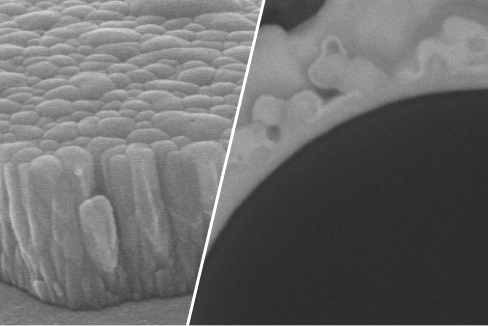
Surface modification and coating technology is an important method for enhancing the surface properties of materials, and is widely used across a variety of industries.
Associated Technologies
- Surface modification technology
- Heterogeneous molecular layer formation
- Electroless plating technology
Organic Synthesis Technology
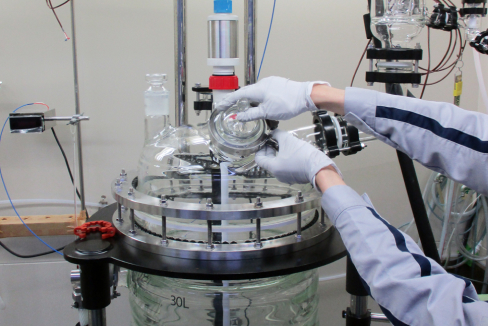
Organic synthesis technology refers to techniques that use chemical reactions to create new organic compounds. This technology is essential to the development of a wide range of products, including pharmaceuticals, agrochemicals, fragrances, and plastics.
Associated Technologies
- Butyllithium reactions
- Arbuzov reactions
- Arbuzov reactions
Phosphine derivative technology
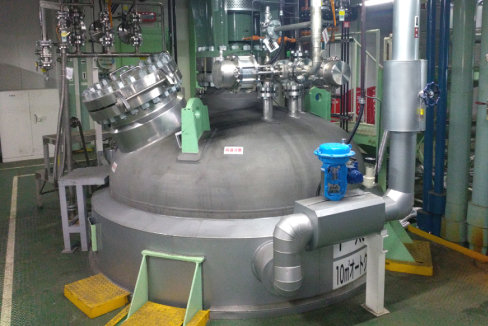
Phosphine derivative technology encompasses chemical synthesis and reaction techniques based on phosphines (compounds containing phosphorus). Phosphines play an important role in various chemical reactions and are widely used in organic synthesis and catalytic reactions in particular.
Related information
Phosphine derivative technology
Associated Technologies
- High-pressure reaction technology using phosphine as a raw material
- Various alkyl phosphines
- Phosphonium salt synthesis technology
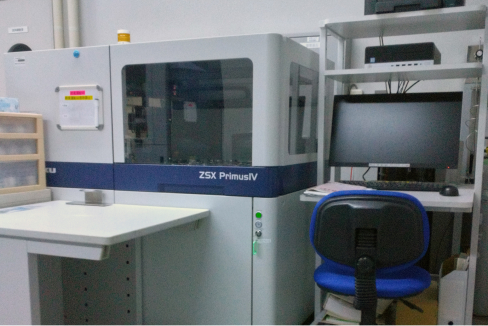
Evaluation and Analytical Technology
Evaluation and analytical technology encompasses methods for quantitatively or qualitatively evaluating the properties of materials and products. Evaluation and analytical technology encompasses methods for quantitatively or qualitatively evaluating the properties of materials and products.
Associated Technologies
- Chemical state, composition, and structural analysis technology
- Various product performance testing technologies