Initiatives for Environmental Impact Reduction
In light of the world’s increasingly serious environmental problems and the promotion of sustainability management, we will continue to engage in energy-saving activities, the effective use of resources, and activities to reduce emissions of environmentally hazardous substances.
Environmental Conservation
Energy-Saving Initiatives
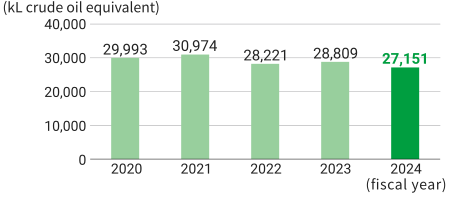
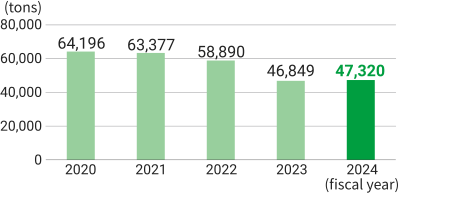
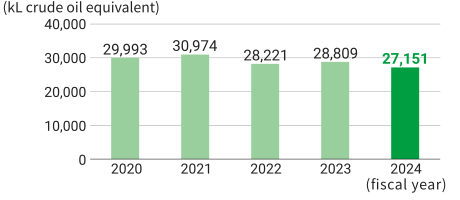
In FY2024, we engaged in energy-saving activities while maintaining production operation rates, slightly decreasing our energy consumption compared to the previous year. In addition, our CO₂ emissions decreased compared to previous years as a result of the introduction of renewable energy in FY2023. Going forward, we will maintain our efforts to realize a decarbonized society by continuing to diligently engage in energy-saving efforts, such as conducting self-inspections of energy-using equipment, conducting self-audits, and proposing energy-saving measures.
■ Energy Usage
■ CO₂ Emissions
Energy Conservation Activities at Fukushima No. 2 Factory
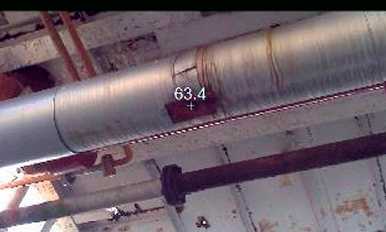
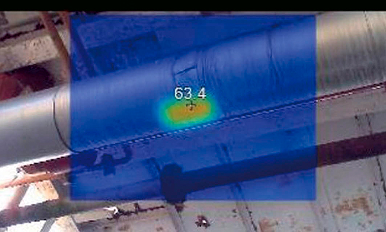
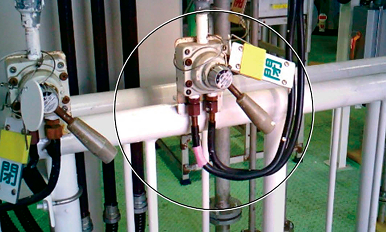
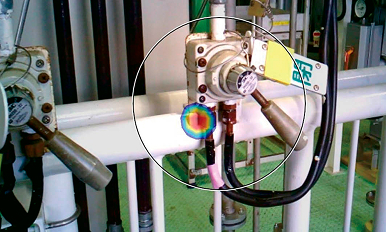
As part of inspections to promote energy conservation at the Fukushima No. 2 Factory, thermal imaging cameras are used to visually identify leakages from steam pipes and reactor vessel insulation, and image-based air leak detectors are used to discover leaks coming from the compressed air and compressed nitrogen equipment used in production areas. When a heat or air leak is identified during the regular patrols conducted by the Energy Conservation Committee, the cause is fixed to stop further leakage. In addition to routine management, we further strive to promote energy conservation by using a dedicated contractor to conduct energy conservation assessments and clean outdoor air conditioning units.
Industrial Waste Reduction
We will strive to reduce the amount of industrial waste generated and ensure that waste is disposed of properly.
■ Amount of Waste Generated and Effective Utilization Rate
■ Amount of Waste Recycled and Final Landfill Disposal Amount
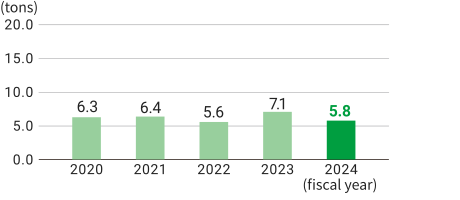
Water Security
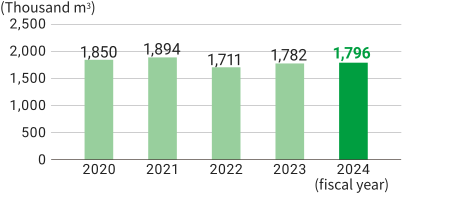
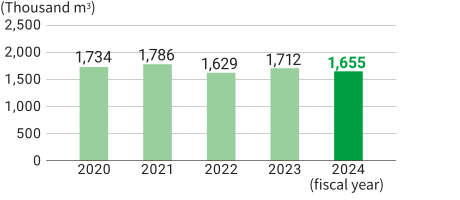
In our manufacturing processes at each location, we use a large amount of freshwater for steam, cooling, and cleaning purposes, and we believe that we need to give consideration to our impact on water sources and surrounding environments. To this end, we promote the reduction and efficient use of water consumption through such means as building circulation systems to reduce our water intake and reminding employees to conserve water.
■ Water Usage
■ Water Discharge
■ Chemical Oxygen Demand Emissions
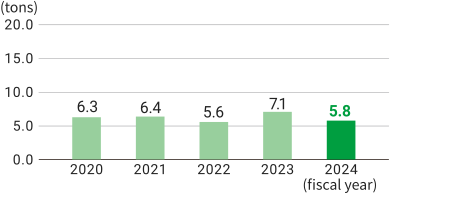
■ Total Nitrogen Emissions
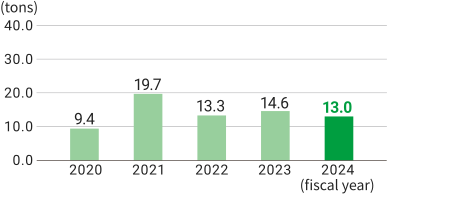
■ Total Phosphorous Emissions
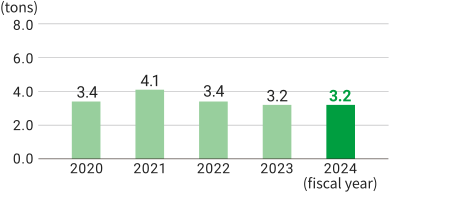
Reduction of Air Pollutant Emissions
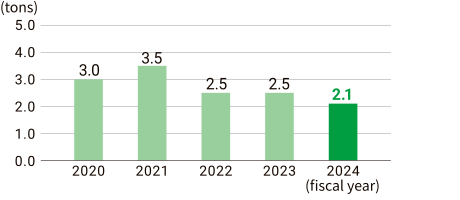
Our regular monitoring confirms that we are in compliance with regulations as well as values agreed upon with local authorities. We will continue to promote the reduction of emissions through measures such as switching to more environmentally friendly fuels.
■ SOx Emissions
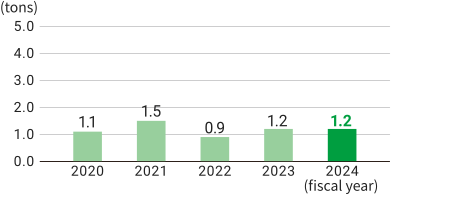
■ NOx Emissions
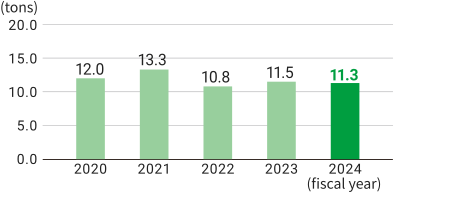
■ Particulate Matter Emissions
Reduction of Chemical Emissions
The table below shows our emissions of substances subject to reporting under the Act on the Assessment of Releases of Specified Chemical Substances in the Environment and the Promotion of Management Improvement (PRTR system).
■ Emissions of PRTR Substances
| Emissions (tons) | 2020 | 2021 | 2022 | 2023 | 2024 |
|---|---|---|---|---|---|
| Atmosphere | 6.0 | 5.7 | 4.2 | 1.7 | 1.5 |
| Water bodies | 0.1 | 0.1 | 0.1 | 0.1 | 0.1 |
| Total | 6.1 | 5.7 | 4.3 | 1.8 | 1.5 |